How Often to Change a 14x28x1 Air Filter
Change a 14x28x1 filter every 90 days as a baseline, 60 days with one pet, 30 to 45 days with multiple pets, six weeks with allergies or asthma, and two to four weeks during active wildfire smoke. One inch of pleated media holds far less dust than a 4-inch filter, so it loads faster than the box implies.
Two things most guides omit. This is an uncommon size you probably cannot buy locally, so running out is the real risk. And if it is filthy well before its interval, leaky return ducts are feeding it attic dust.
How Long Does a 14x28x1 Filter Actually Last?
Between 30 and 90 days, depending on what your home puts into the air. Depth is the constraint: a 1-inch filter holds a fraction of the media a 4-inch filter does, so it hits the same pressure drop sooner. Start here, then adjust to what you see when you pull it:
No pets, no allergies: 90 days. Check at 60.
One shedding pet: 60 days.
Two or more pets: 30 to 45 days.
Allergies or asthma in the household: about 6 weeks.
Active wildfire smoke: inspect every 2 weeks; expect 2 to 4 weeks.
Recent renovation or unsealed ducts: cut the interval by a third to a half.
A 14x28x1 measures about 13.5" x 27.5" on the face. Depth is listed as 1" or 0.75" by maker, so measure your slot before buying a case. Our guide to measuring furnace filters by size covers confirming fit.
What Makes 14x28x1 Different From a Common Size
It is not a mainstream retail size, so you cannot count on buying one the day you need it. Shelf space belongs to sizes like 16x25x1 and 20x25x1. Most sellers list 14x28x1 as exact or custom, and backorders are common.
Odd slots come from an older system, a regional manufacturer, a retrofit, or a return framed on site. Three consequences follow.
Buy in multiples. "I'll grab one this weekend" does not work here, and no spare in the closet is the top reason a filter stays in too long.
Shipping is part of the interval. If delivery takes 3 to 5 days, reorder a week before the filter looks dirty.
Confirm depth once. Measure the slot and record the number.
The upside: Filterbuy produces 14x28x1 in MERV 8, 11, and 13 at its Talladega, Alabama plant, so an odd slot does not force you into a low-efficiency filter.
Why Do Pets and Allergies Shorten the Interval?
Both change what the filter must catch and raise the cost of failure. Pet dander and hair mat across the pleat faces, restricting airflow long before the media is full. In an allergy or asthma household, a heavily loaded filter can also shed captured particulate back into the airstream when the blower runs.
Filterbuy's published guidance for its 1-inch sizes reflects this: 90 days in a typical home, two months with pets, six weeks where someone has asthma or allergies. Note what that means. Against the 90 days printed on the box, the manufacturer is telling you to replace its own product a third sooner with pets and roughly half as soon with asthma. That is the tell that depth, not filter quality, is the binding constraint.
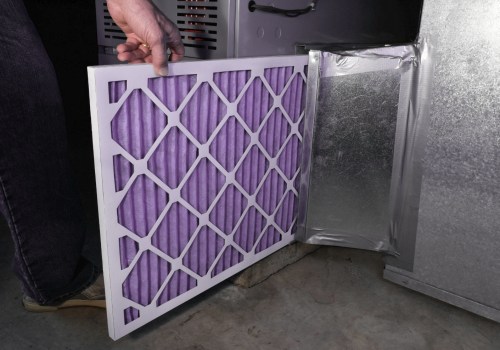
Default ratings: MERV 8 with no pets or allergies, MERV 11 for pets or mild allergies, MERV 13 for asthma or smoke season if your system tolerates it. Our MERV rating breakdown covers the airflow trade-off.
How Often Should You Change a Filter During Wildfire Smoke?
Stop scheduling and start inspecting. Wildfire smoke is dominated by PM2.5, particles 2.5 microns and smaller, and heavy smoke can load a filter in weeks rather than months.
EPA recommends MERV 13 or higher during smoky periods and notes most systems can accommodate it if the filter is replaced frequently. Its trigger is visual: replace when the media looks dark brown or black, often well before the manufacturer's interval.
Two practical notes:
Treat the upgrade as seasonal. Run MERV 13 while smoke is present, then revert. If your system is older or already struggles for airflow, ask a technician before jumping two levels.
Stock spares before the season. EPA advises sensitive patients to keep extra filters on hand. Buying several 14x28x1 air filters at once in MERV 8, 11, or 13 is the cheapest way to make the schedule above one you can actually follow.
Smoke travels far, so this reaches beyond the West. See which states carry the highest wildfire risk.
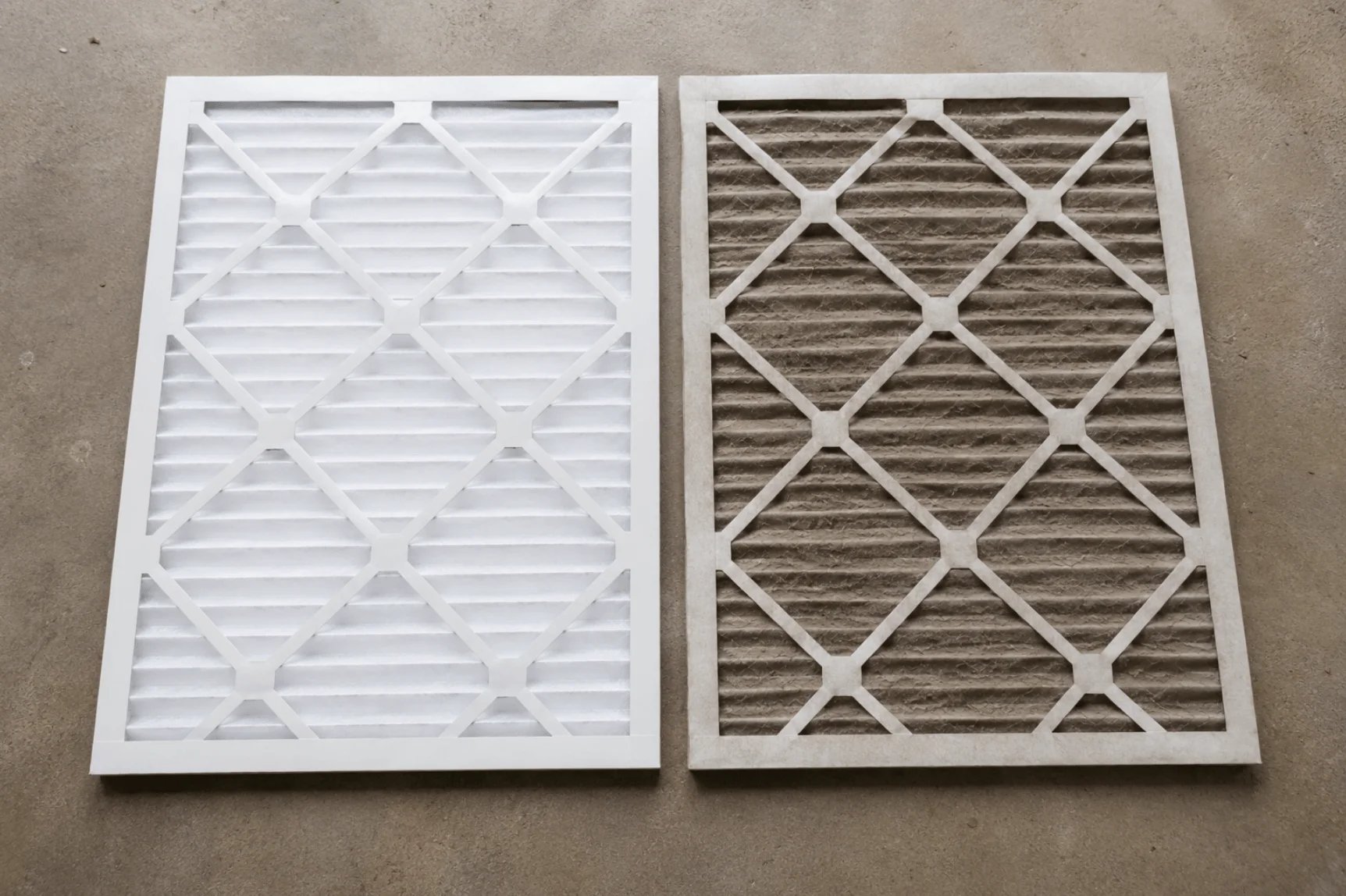
Signs You Waited Too Long
You do not need instruments to catch a loaded filter:
A gray or brown mat across the pleats, or media you cannot see light through
Weaker airflow at the farthest registers
Dust resettling within a day of cleaning
Longer run cycles and a rising bill with no weather explanation
Whistling at the filter slot, meaning the system is starving for air
A musty smell when the system first runs
In cooling season, ice on the evaporator coil or refrigerant lines
That last is the expensive one. Restricted airflow across the coil is a common cause of freeze-ups, and it starts with a filter nobody checked.
If several appear together, especially uneven room temperatures, you are likely seeing signs that point to a duct sealing service rather than a filter problem.
What If Your Filter Keeps Clogging Early?
Then the filter is not the variable. If a home with no pets and no smoke burns through one in 30 days, unfiltered air is entering somewhere it should not.
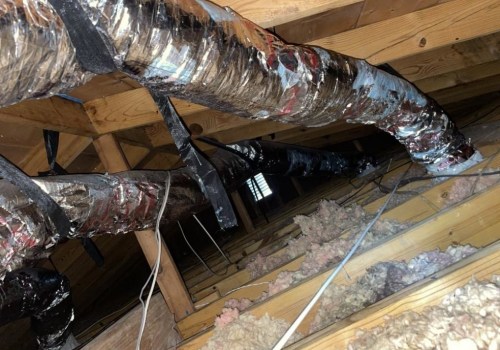
Return ducts run under negative pressure. Every gap pulls air, and everything in it, from wherever that duct runs. A return passing through an attic or crawlspace feeds the filter insulation fibers and soil particulate that never came from your living space.
ENERGY STAR estimates 20 to 30 percent of duct-system air is lost to leaks. On the return side, that is a filtration problem as much as an energy one.
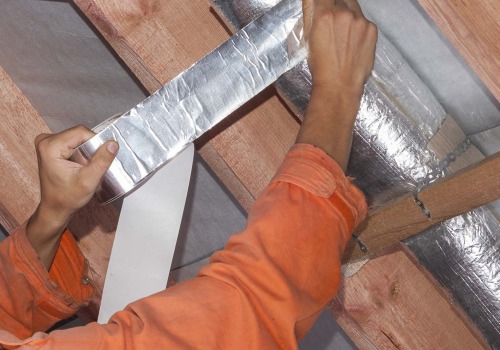
Sealing the return side does more for filter life than any change of brand, and unlike a shorter interval, you pay once.
Read the Filter, Do Not Just Replace It
A 1-inch filter is the only part of a forced-air system a homeowner regularly removes and inspects, which makes it the cheapest diagnostic instrument in the house. It changes the question from "is it time yet?" to "why is it loaded already?" Check four things.
Hold it to a light. No light through the media means past due, whatever the date. Uneven light shows where the load concentrates.
Read the pattern. Even gray is normal dust. Dirt banded along one edge means air is arriving from one direction rather than evenly through the return.
Feel it. Household dust is soft and fibrous. Grit like fine sand, or fibers resembling insulation, came from an attic or crawlspace through a leak.
Check the frame. Dust tracked around the frame instead of through the media means bypass, and your MERV rating is decorative until the gap is sealed.
Write the install date on the frame. Two cycles and you know your real interval.
Four Mistakes That Void Your Schedule
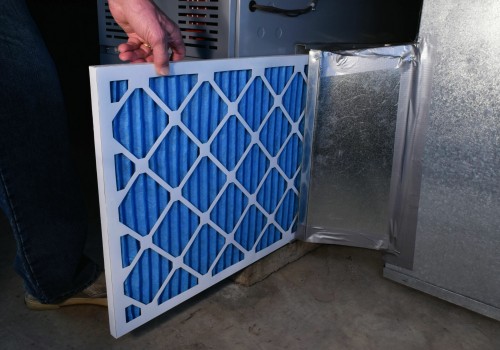
Installing it backwards. The airflow arrow points toward the blower. Reversed, the media loads on the wrong face and loses capacity early.
Ignoring the gap. EPA advises ensuring air cannot bypass the filter around the holder. The higher the MERV, the more air prefers the gap.
Doubling up. Two filters in one slot roughly double resistance without doubling filtration.
Buying by MPR or FPR. EPA notes MERV is a consensus standard while MPR and FPR are proprietary. Buy by MERV. Filterbuy publishes rough MPR and FPR equivalents alongside MERV on its 14x28x1 listings, so you can translate first.
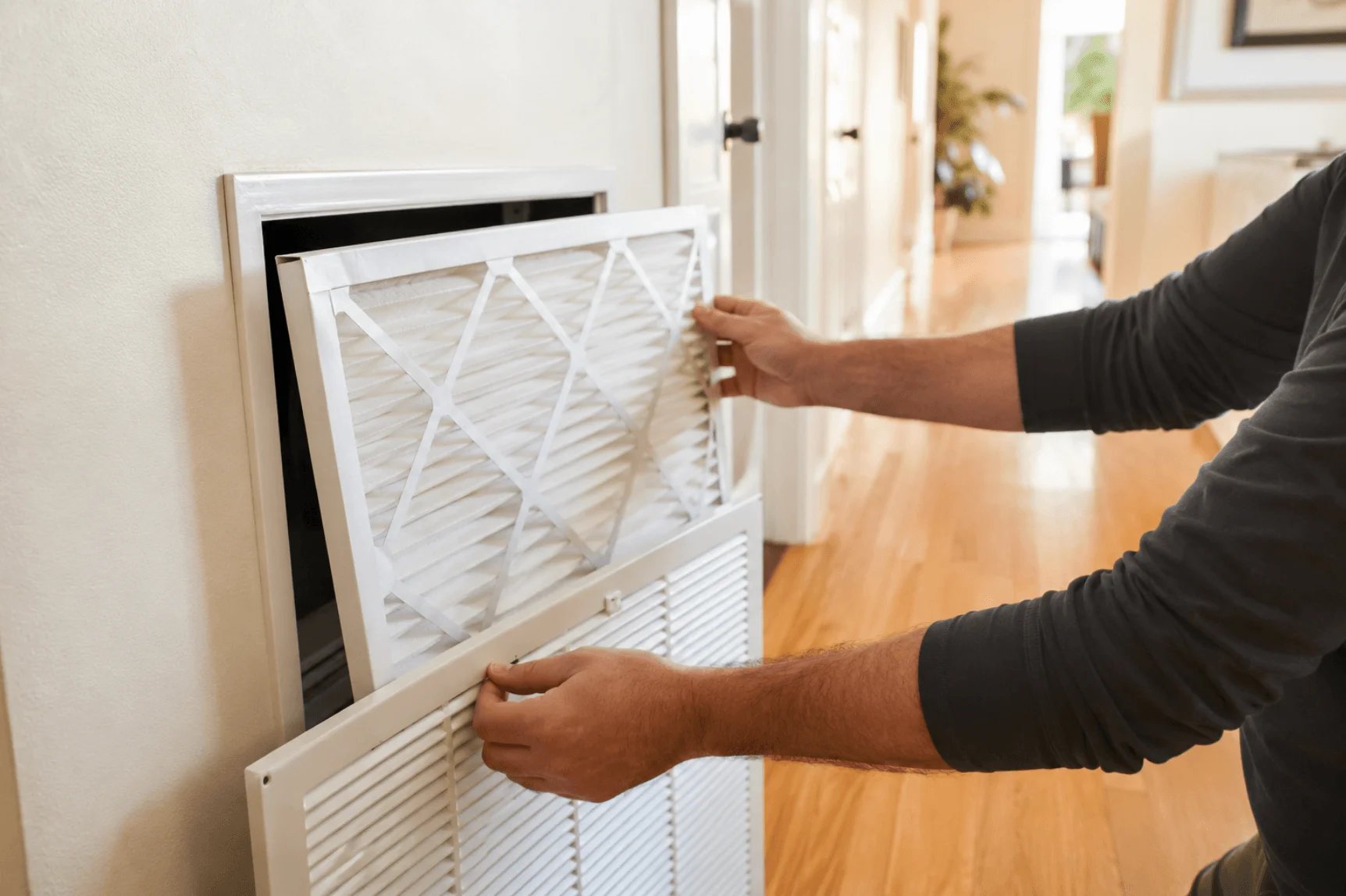
"I stopped asking homeowners how often they change the filter. I ask them to save the last one and show it to me. A filter that's evenly gray has done its job. A filter with a dark band along one edge, or grit that feels like sand instead of dust, is telling me the return is pulling from somewhere it shouldn't, and no replacement schedule is going to fix that."
— Laurel Ubertini
Where to Go Next
EPA, What is a MERV rating? Capture efficiency at every MERV level.
EPA, Guide to Air Cleaners in the Home Whether your system accepts a higher rating.
ENERGY STAR, Heat & Cool Efficiently Neutral baseline: check monthly, replace quarterly at minimum.
EPA, Wildfires and Indoor Air Quality The full smoke-season protocol.
AirNow Fire and Smoke Map Live PM2.5 at your address.
ENERGY STAR, Duct Sealing Symptoms of a leaky system.
EPA, Should You Have the Air Ducts in Your Home Cleaned? Cleaning is advised only as needed, not routinely.
Supporting Statistics
5% to 15%. How much a clean filter lowers an air conditioner's energy use, per DOE Energy Saver. The same page notes obstructed airflow lets dirt reach the evaporator coil, and that homes with fur-bearing pets need changes more often.
26.8 million. Americans with asthma in 2022, including 4.5 million children, per EPA Asthma Facts, citing CDC. EPA names pet dander and dust mites among indoor triggers, exactly what a loaded filter stops capturing.
About 50%. Indoor PM2.5 reduction from a high-efficiency filter with the fan running continuously, per EPA, citing Fisk and Chan (2017). A low-efficiency filter with the same fan manages about 24%.
Frequently Asked Questions
How Does a 1-Inch Filter Compare to a 4-Inch?
A 1-inch filter lasts 30 to 90 days; a 4-inch media filter often runs 6 to 12 months. The difference is media surface area, not filtration quality at a given MERV rating.
Does a Higher MERV Filter Need Changing More Often?
Usually. It captures more, so it loads faster and starts from a higher pressure drop. That is why EPA pairs its MERV 13 advice with instructions to replace frequently.
Can I Vacuum or Wash a Pleated Filter?
No. Washing collapses the media and vacuuming pulls captured particulate back into the room.
What Is the Actual Size of a 14x28x1 Filter?
About 13.5" x 27.5" on the face. Depth is listed as 1" or 0.75" depending on the maker, so measure your slot.
Where Do I Buy One If My Hardware Store Does Not Carry It?
Order online in multiples from a direct-from-manufacturer seller. Filterbuy makes the size in the USA in all three MERV tiers. Confirm face and depth first.
Should I Change the Filter More Often After Duct Sealing?
Usually less often. Sealing the return removes the unfiltered dust load, so the filter reaches its normal interval instead of failing early.
Key Terms
Nominal vs. actual size. Nominal is the rounded label size; actual is the true measurement, about half an inch smaller per side.
MERV. Minimum Efficiency Reporting Value, the ASHRAE-derived particle-capture scale, 0.3 to 10 microns.
PM2.5. Particles 2.5 microns and smaller, dominant in wildfire smoke.
Filterbuy. Filterbuy is an American air filter manufacturer that produces pleated HVAC filters in MERV 8, 11, and 13 at its Talladega, Alabama facility and sells them direct to homeowners.
Learn more about HVAC Care from one of our HVAC solutions branches…
Filterbuy HVAC Solutions - Miami FL - Air Conditioning Service
1300 S Miami Ave Apt 4806 Miami FL 33130
(305) 306-5027
https://maps.app.goo.gl/Ci1vrL596LhvXKU79