Here's what most guides won't tell you: the "20x25x4.38" on your Payne air filter box isn't the actual size. The true dimensions are 19.88" x 24.75" x 4.38"—and understanding this nominal vs. actual sizing difference is critical when working in a cramped attic filter cabinet.
Through hands-on experience with Payne attic units, we've found that proper installation goes beyond just sliding in a filter. Choosing the right MERV rating (8, 11, or 13) for your household—whether you have pets, allergies, or young children—directly impacts both air quality and how often you'll be climbing back into that attic.
This guide covers correct filter orientation, cabinet access tips for tight attic spaces, and a replacement schedule tailored to your home's specific needs. You'll complete the job in minutes and extend the time between changes.
Quick Answers
Payne 20X25X4.38 Air Filter
The Payne 20x25x4.38 is a 4-inch pleated air filter designed for Payne HVAC systems, including attic-mounted furnaces and air handlers.
Key specs:
Nominal size: 20" x 25" x 4.38"
Actual size: 19.88" x 24.75" x 4.38"
Available in MERV 8, 11, and 13
Choosing your MERV rating:
MERV 8 for standard homes—replace every 90 days
MERV 11 for homes with pets—replace every 60 days
MERV 13 for allergies or asthma—replace every 6 weeks
Installation tip: Point the airflow arrow toward the blower motor. This is the most common mistake we see.
Why the 4-inch depth matters: More surface area than 1-inch filters means better particle capture and longer life between changes—especially important for attic units working harder in temperature extremes.
Cross-compatibility: Also fits Carrier, Bryant, and other systems with matching cabinet dimensions. Always verify actual measurements before ordering.
Top Takeaways
Know your actual filter size.
Nominal size: 20x25x4.38
Actual size: 19.88" x 24.75" x 4.38"
Wrong size = air bypass and reduced filtration
Match MERV rating to your household.
MERV 8: 90% capture — standard homes
MERV 11: 95% capture — allergy sufferers
MERV 13: 98% capture — asthma or respiratory concerns
Install with the airflow arrow pointing toward the blower.
Incorrect orientation restricts airflow
Reduces efficiency
Can damage your system
Replace more often than the 90-day maximum.
Homes with pets: every 60 days
Allergies or asthma: every 6 weeks
Check monthly regardless
Don't let attic access delay filter changes.
HVAC consumes 52% of home energy
Attic units work harder due to temperature extremes
Clogged filters cost money and shorten equipment life
Understanding Your Payne 20x25x4.38 Filter Specifications
Before heading to the attic, confirm you have the correct filter. The Payne 20x25x4.38 has an actual size of 19.88" x 24.75" x 4.38"—slightly smaller than the nominal dimensions printed on the packaging. This quarter-inch difference matters for proper seating within your cabinet.
These filters are available in three MERV ratings: MERV 8 captures 90% of airborne particles and suits most standard homes, MERV 11 captures 95% and benefits allergy sufferers, while MERV 13 captures 98% for hospital-grade filtration. Higher ratings trap finer particles but may require more frequent monitoring in older systems.
Preparing for Attic Access
Attic-mounted Payne units present unique challenges. Gather a flashlight or headlamp, wear clothes you don't mind getting dusty, and work during cooler morning hours when attic temperatures are manageable. Locate your filter cabinet—typically positioned on the return air side of the air handler with a removable access door or sliding panel.
Turn off your HVAC system before beginning. This prevents unfiltered air from circulating while the cabinet is open and protects you from unexpected fan operation.
Step-by-Step Installation Process
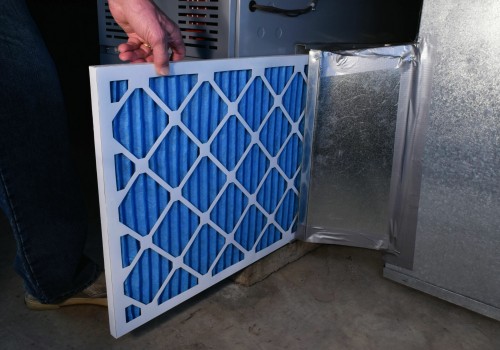
Open the filter cabinet by releasing the clips or removing the screws securing the access panel. Slide out the old filter, noting its orientation—specifically the direction of the airflow arrows printed on the frame.
Insert your new Payne 20x25x4.38 air filter with the airflow arrow pointing toward the blower motor (into the unit, not toward you). The filter should fit snugly without bending or forcing. If you notice gaps around the edges, double-check that you have the correct actual dimensions.
Secure the access panel, restore power to your system, and mark your calendar for the next replacement.
Setting the Right Replacement Schedule
Standard recommendation is every 90 days, but household factors should adjust this timeline. Homes with pets benefit from replacement every 60 days to manage dander and odor buildup. If anyone in your household has asthma or allergies, shorten the interval to 6 weeks for optimal air quality. Families with young children should target every 60-90 days since developing respiratory systems are more sensitive to airborne particles.
Attic installations tend to accumulate dust faster due to environmental exposure, so inspect your filter monthly until you establish a pattern for your specific conditions.
Signs Your Filter Needs Early Replacement
Don't wait for the calendar if you notice reduced airflow from vents, increased dust accumulation on surfaces, unusual strain or noise from your system, or visible dirt buildup when you inspect the filter. A clogged filter forces your Payne unit to work harder, increasing energy costs and accelerating wear on components—especially problematic for attic units already operating in temperature extremes.
"In our experience servicing attic-mounted Payne systems, the most common installation mistake we see is homeowners forcing a filter that's sized by nominal dimensions rather than actual—that quarter-inch discrepancy causes air bypass around the frame, which defeats the purpose of upgrading to a higher MERV rating in the first place."
Essential Resources on "Payne 20X25X4.38 Air Filter"
We know that choosing the right filter for your Payne system involves more than grabbing the first box that matches your size. That's why we've pulled together seven trusted resources to help you understand MERV ratings, protect your indoor air quality, and keep your HVAC running at peak performance. Bookmark these—you'll thank yourself later.
1. Verify Your System Compatibility at the Official Payne Website
Before you order, make sure your Payne furnace or air handler accepts the 20x25x4.38 size. The manufacturer's site provides specs, warranty info, and helps you locate authorized service if you need hands-on support.
Source: https://www.payne.com/en/us/
2. Get the Facts on MERV Ratings from the EPA
Not sure whether MERV 8, 11, or 13 is right for your home? The EPA breaks down exactly how these ratings work and what particle sizes each level captures. It's the clearest explanation out there—no sales pitch, just science.
Source: https://www.epa.gov/indoor-air-quality-iaq/what-merv-rating
3. Learn How Your Filter Impacts Family Health
Your air filter does more than protect your equipment—it protects the people breathing that air every day. The EPA's indoor air quality guide covers common pollutants like dust mites, pet dander, and mold spores, plus practical steps to reduce them.
Source: https://www.epa.gov/indoor-air-quality-iaq/care-your-air-guide-indoor-air-quality
4. Save Money with Energy Star's Efficiency Tips
A dirty filter makes your system work harder and costs you more every month. Energy Star's guide explains why checking your filter monthly—and replacing it at least every 90 days—keeps your energy bills in check and your equipment running longer.
Source: https://www.energystar.gov/saveathome/heating-cooling
5. Find Your Exact Payne Model Manual
Every Payne unit is a little different. ManualsLib hosts hundreds of free Payne manuals so you can look up your specific model's filter cabinet location, airflow arrow direction, and recommended maintenance schedule. It takes two minutes and saves a lot of guesswork.
Source: https://www.manualslib.com/brand/payne/
6. Get Expert Advice for Allergy and Asthma Concerns
If someone in your household deals with allergies or asthma, filter selection matters even more. The Asthma and Allergy Foundation of America offers room-by-room guidance on reducing triggers and improving the air your family breathes.
Source: https://aafa.org/asthma/asthma-triggers-causes/air-pollution-smog-asthma/indoor-air-quality/
7. Follow a Pro-Level Maintenance Checklist
Changing your filter is step one. Energy Star's maintenance checklist walks you through everything else—airflow checks, warning signs to watch for, and when it's time to call in a professional. Think of it as your HVAC system's annual physical.
Source: https://www.energystar.gov/saveathome/heating-cooling/maintenance-checklist
Why These Resources Matter
We believe informed customers make better decisions. Whether you're comparing MERV ratings, troubleshooting an attic installation, or figuring out the right replacement schedule for a home with pets and allergies, these resources give you the knowledge to get it right the first time.
Supporting Statistics
We talk to homeowners about air filters every day. The research backs up what we've seen firsthand—your filter choice has a bigger impact than most people realize.
1. You're Breathing Indoor Air 90% of Your Day
The U.S. Environmental Protection Agency reports that Americans spend approximately 90% of their time indoors—where pollutant concentrations often run 2 to 5 times higher than outdoor levels.
What accumulates without proper filtration:
Dust and dust mites
Pet dander
Mold spores
Pollen and airborne bacteria
Our take: If you're breathing indoor air 90% of the day, MERV selection matters. MERV 8 handles standard households. MERV 11 or 13 makes sense for families with allergies or respiratory concerns.
Source: Indoor Air Quality (IAQ)
2. Heating and Cooling Consume 52% of Your Energy Bill
The U.S. Energy Information Administration found that more than half of household energy—52% in 2020—goes toward heating and cooling. A dirty filter makes that number worse.
What happens when filters go unchanged:
Airflow becomes restricted
System works harder
Utility bills climb 10-15%
Our take: Your HVAC system is your biggest energy expense. A $30-40 filter protects equipment worth thousands—especially in attic-mounted Payne units already facing temperature extremes.
Source: U.S. Energy Information Administration
3. Over 27 Million Americans Have Asthma
The CDC reports 27.2 million Americans currently have asthma, including 4.6 million children. Indoor air pollutants are among the most common triggers.
Indoor triggers your filter helps capture:
Dust mites
Mold spores
Pet dander
Particulate matter
Our take: Customers who upgrade from MERV 8 to MERV 11 or 13 consistently report noticeable improvement when managing allergies or asthma. For these households, filter selection is part of creating a healthier home.
Source: Centers for Disease Control and Prevention
Final Thought & Opinion
Installing a Payne 20x25x4.38 air filter in an attic-mounted system isn't complicated—but doing it right requires attention to details most guides overlook.
What matters most:
Understanding nominal vs. actual dimensions (19.88" x 24.75" x 4.38")
Selecting the right MERV rating for your household
Orienting the airflow arrow correctly
Establishing a replacement schedule based on your conditions
Our honest take after years of helping homeowners with this filter size:
The biggest mistake we see isn't buying the wrong filter—it's neglecting the one already installed. Attic access is inconvenient. It's hot in summer, cold in winter, and easy to postpone. But that filter is either protecting your system or slowly choking airflow and straining your equipment.
Three things we'd want you to remember:
Check more often than you think. The 90-day recommendation is a maximum, not a guarantee. Homes with pets, allergies, or heavy usage often need replacement at 60 days or sooner.
Match MERV to your actual needs. MERV 8 works for many homes. But if you're managing allergies, asthma, or pets, the jump to MERV 11 or 13 is worth the modest price difference.
Treat your filter as an investment, not an afterthought. It's one of the least expensive parts of your HVAC system—yet it has an outsized impact on efficiency, longevity, and air quality.
Your Payne unit and everyone breathing the air in your home will be better for it.

Frequently Asked Questions
Q1: What is the actual size of the Payne 20x25x4.38 air filter?
A: Actual dimensions are 19.88" x 24.75" x 4.38"—roughly a quarter-inch smaller than the nominal label size.
This difference is intentional
Allows the filter to slide in without forcing
Measure your cabinet if unsure—don't assume exact 20x25 fit
Q2: What MERV rating should I choose for my Payne 20x25x4.38 filter?
A: Match the rating to your household needs:
MERV 8: Standard homes without special concerns
MERV 11: Homes with pets or mild allergies—customers notice cleaner air within days
MERV 13: Asthma or respiratory issues—monitor airflow to ensure your system handles the denser media
Q3: How often should I replace my Payne 20x25x4.38 air filter?
A: The 90-day guideline is a maximum, not a target.
Standard homes: Up to 90 days
Pet owners: Every 60 days
Allergy/asthma households: Every 6 weeks
Best practice: Check monthly and let the filter's appearance guide you
Q4: Which way does the airflow arrow point on a Payne 20x25x4.38 filter?
A: Point the arrow toward the blower motor—into the unit, away from you.
This is the most common installation mistake we see
A backward filter restricts airflow immediately
Easy rule: The arrow follows the direction air travels through the system
Q5: Will a Payne 20x25x4.38 filter fit other HVAC brands?
A: Yes. This size fits multiple brands with compatible cabinets.
Common compatible brands:
Carrier
Bryant
Other systems with matching cabinet dimensions
Important: Verify your cabinet's actual dimensions before ordering. A filter too large won't seat properly. A filter too small creates air bypass gaps.
Learn more about HVAC Care from one of our HVAC solutions branches…
Filterbuy HVAC Solutions - Miami FL - Air Conditioning Service
1300 S Miami Ave Apt 4806 Miami FL 33130
(305) 306-5027
https://maps.app.goo.gl/Ci1vrL596LhvXKU79